Teaching Strategies
Discover best practices for improving your teaching craft.
Giving Students Practice With Routines Like Gallery Walks to Maximize the Impact
Explicitly modeling common classroom learning tasks helps students focus on your content when you use the tasks throughout the year.Your content has been saved!
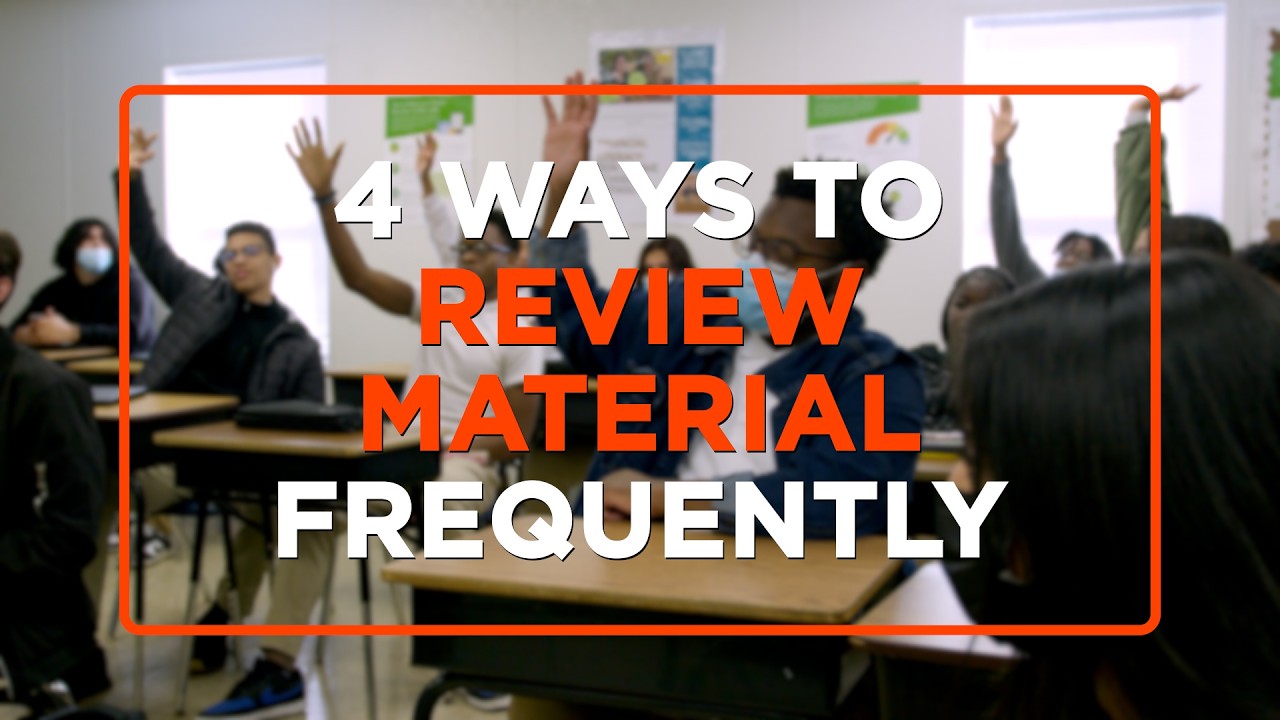
Go to My Saved Content.How to Build Review Activities Into Daily Lessons
When teachers revisit earlier lessons in small, structured ways, students feel more confident on assessments—and retain the content better.Your content has been saved!
Go to My Saved Content.How to Scaffold Learning and Maintain Rigor
A myriad of tools and strategies that support learning and student agency are also essential to maintaining rigor.Your content has been saved!
Go to My Saved Content.Integrating Music and Art in Elementary School ELA
These strategies help upper elementary students strengthen their visualization skills and understanding of story elements.Your content has been saved!
Go to My Saved Content.Why Movement Matters in Math
These strategies for building controlled movement into learning can help middle school math students stay focused and engaged.Your content has been saved!
Go to My Saved Content.A More Efficient and Productive Way to Conduct Math Assessments
Here’s how to assign graded work that more accurately assesses elementary students’ learning and saves time.Your content has been saved!
Go to My Saved Content.Making Math Review a High-Energy Game
In the 100 Squares Challenge, math review takes the form of friendly—but fierce!—competition, inspiring students to complete problems under pressure.In High-Performing Math Classrooms, Words Matter
Math vocabulary alone isn’t a silver bullet—but research shows it’s linked to stronger academic achievement when paired with expert teaching practices.41.6kYour content has been saved!
Go to My Saved Content.Just Like Phonics, Comprehension Requires Explicit Teaching
Once students can decode, they need ongoing and thoughtful instruction to understand, interpret, and engage with what they read.61kYour content has been saved!
Go to My Saved Content.60-Second Strategy: Quiz Quiz Trade
When students get up and moving in this low-stakes conversational activity, they learn more about the topic—but also about each other.30kYour content has been saved!
Go to My Saved Content.Walking Through Writing a Compelling Essay
Working out the parts of an essay step by step helps students think more creatively and analytically about what they want to convey.16.7kYour content has been saved!
Go to My Saved Content.
The Essential Retrieval Practice Handbook
Retrieval practice is one of the most effective ways to strengthen learning. Here’s a collection of our best resources to use in your classroom today.60.3kYour content has been saved!
Go to My Saved Content.How to Differentiate Without Splitting Students Up
Advice for teachers who want to make sure everyone in their classroom works and learns in tandem.85.2kYour content has been saved!
Go to My Saved Content.29 High-Impact Formative Assessment Strategies
These versatile strategies—from brain dumps to speed sharing—help students track their own progress while informing your next instructional steps.58.5kYour content has been saved!
Go to My Saved Content.3 Games to Amp Up Reading Instruction
Gamifying literacy and phonics lessons teaches students valuable social-emotional skills, gives them regular movement breaks, and increases their engagement.