Literacy
Find and share strategies for helping students read for knowledge, write coherently, and think critically about the written word.
How to Lock In New Vocabulary in 10 Minutes a Day
A weeklong vocabulary routine with movement and repetition helps students go beyond definitions and put new words to use in conversation and writing.Incorporating Images in the Classroom
By treating media like text, teachers can create a fast, relevant, and affordable lesson that stimulates lively discussion.Your content has been saved!
Go to My Saved Content.Tips to Help Students With Their Handwriting
These simple tricks to improve motor skills can empower young learners to feel more in control of their handwriting.Your content has been saved!
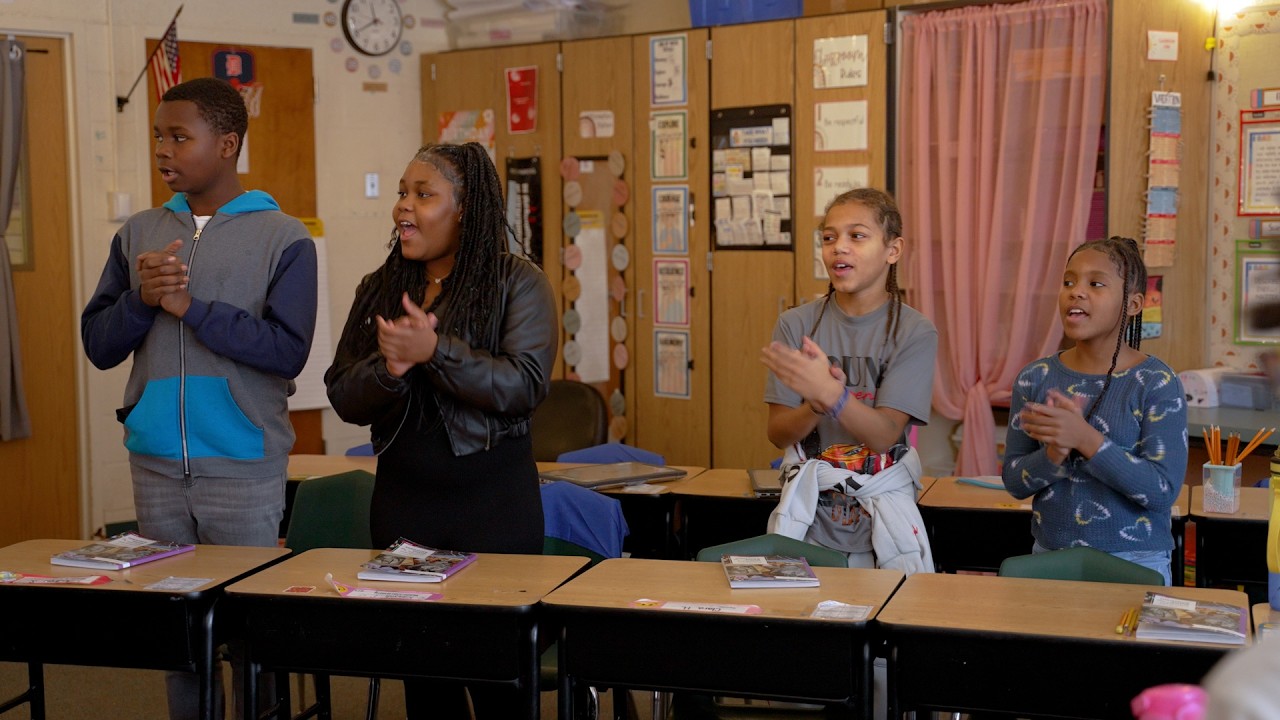
Go to My Saved Content.How Movement and Repetition Help Vocabulary Stick
A daily routine that combines visual, auditory, and kinesthetic inputs helps students learn new words, recognize them when reading, and remember their meanings.Why Writing by Hand Beats Typing (in 6 Charts)
Typing may be faster, but the research shows that handwriting engages our brains in richer, more meaningful ways.Which Reading Strategies to Try, and Which to Ditch
Research shows that some popular activities for reading instruction don’t actually result in more fluent readers—so we rounded up the most classroom-worthy ones.1.8MYour content has been saved!
Go to My Saved Content.3 Games to Amp Up Reading Instruction
Gamifying literacy and phonics lessons teaches students valuable social-emotional skills, gives them regular movement breaks, and increases their engagement.The Power of Pairs When Reading Aloud
A classic strategy called dyad reading—matching up students with different skill levels to read out loud in unison—helps both partners build confidence and fluency.Streaming Toward Reading Fluency
When students record themselves reading aloud using an app—and then listen back to reflect on their own pacing and expression—their fluency improves over time.Exploring Narrative Elements Through a Drama Game
Using an improv exercise to practice the parts of a story gets ideas flowing for students—and helps them add structure to their writing.Teaching a Deeper Understanding of Language With a Yearlong Word Journal
Guiding elementary students to dive into learning about how a single word can boost their curiosity and vocabulary skills.
Is it Time to Drop ‘Finding the Main Idea’ and Teach Reading in a New Way?
Some schools are changing the way they teach reading—based on research that shows background knowledge is more critical to comprehension than general skills like ‘finding the main idea.’1.1MYour content has been saved!
Go to My Saved Content.An Approach to Structured Literacy for Older Struggling Readers
Teachers can use AI to generate age-appropriate leveled texts that encourage reading skills development.51.1kYour content has been saved!
Go to My Saved Content.
How to Teach Handwriting—and Why It Matters
Teaching young students how to write by hand before moving on to keyboarding can help improve their reading fluency as well.1.2MYour content has been saved!
Go to My Saved Content.Using Movement to Teach Vocabulary
When students explore new words through movement, they understand them better, retain them longer, and feel more empowered to use them.