Game-Based Learning
Get tips, techniques, and tools that apply the principles of game design to the learning process—a dynamic way to engage learners and help educators assess learning.
5 Reasons to Use Game-Based Learning in Your Classroom
With contemporary game recommendations to help you get started.6.9kYour content has been saved!
Go to My Saved Content.Making Math Review a High-Energy Game
In the 100 Squares Challenge, math review takes the form of friendly—but fierce!—competition, inspiring students to complete problems under pressure.3 Games to Amp Up Reading Instruction
Gamifying literacy and phonics lessons teaches students valuable social-emotional skills, gives them regular movement breaks, and increases their engagement.60-Second Strategy: Silent Partners
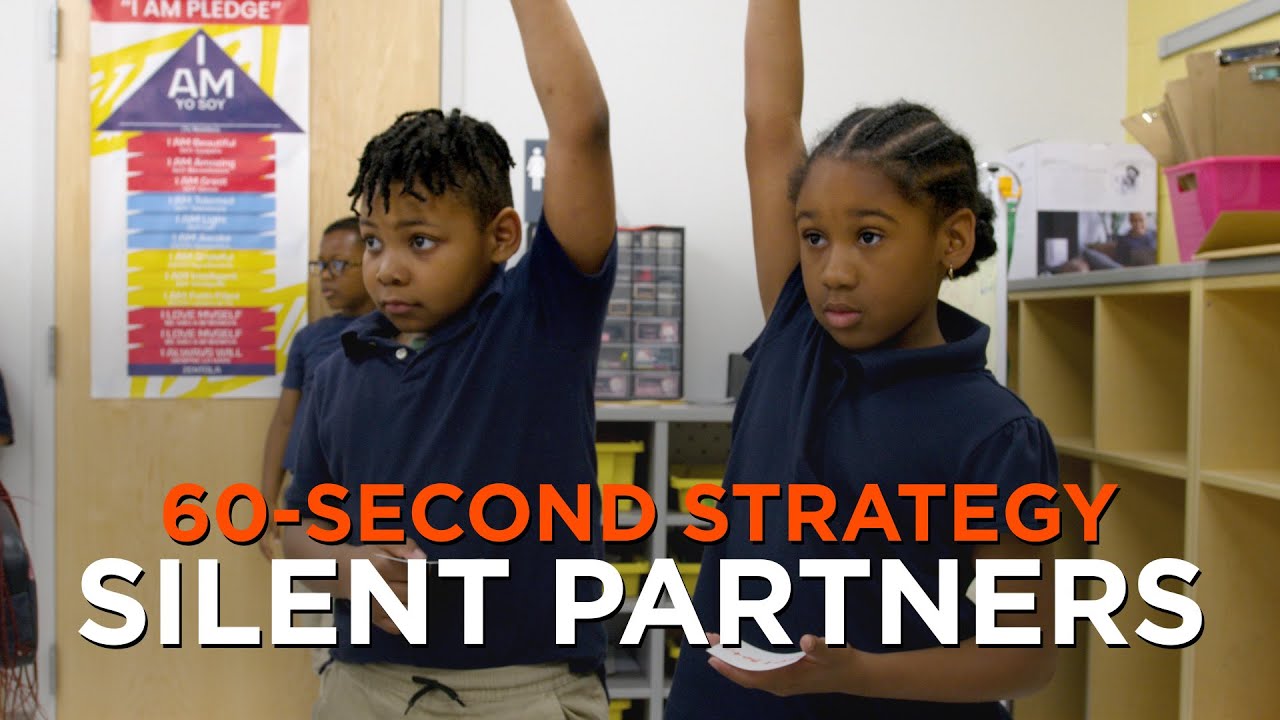
When teachers bring this fun formative assessment game into a lesson, they get a snapshot of what students have understood, and what they haven’t.60-Second Strategy: Math Attack
By incorporating this quick physical game into a math lesson, teachers help students focus on the task at hand.95.6kYour content has been saved!
Go to My Saved Content.
10 Free Financial Literacy Games for High School Students
Students can use games to learn money management and financial decision-making.449.3kYour content has been saved!
Go to My Saved Content.A Game to Teach Preschoolers How to Use Classroom Materials
By playing a silly game that flips the script on who the expert is, early childhood educators can help students see how to use everyday classroom tools correctly.Using Board Games to Teach Math to Young Children
Playing board and card games can improve number sense among children as young as 3—and it’s fun!Using Board Games to Strengthen Literacy Skills
Creating board games based on vocabulary helps upper elementary students learn, build confidence, and have fun at the same time.6.8kYour content has been saved!
Go to My Saved Content.Building Social Skills With Games in Kindergarten
Through classic games, students can learn how to take turns, collaborate, and solve problems—skills that will serve them well beyond the classroom.12.9kYour content has been saved!
Go to My Saved Content.How to Use Gameplay to Enhance Classroom Learning
Research shows that using games in teaching can help increase student participation, foster social and emotional learning, and motivate students to take risks.147.8kYour content has been saved!
Go to My Saved Content.Transforming Vocabulary Review Into an Active Game
In a fast-paced competition called Running Dictation, students are challenged to use reading, speaking, and listening skills to convey a story to a partner—in another language.14 Exceptionally Fun Math Games for Middle and High School
Robust skill-building and reinforcement of key mathematical concepts lie beneath the excitement of these games.15.1kYour content has been saved!
Go to My Saved Content.5 Dice Games Your Students Will Love
Students build computational skills and their confidence and ability to talk about math effectively with these games.4 Ways to Bring Logic Puzzles Into Your Math Class
Take the pressure off of problem-solving with engaging thinking games that encourage students to work together to find solutions.