Formative Assessment
Find and share ideas for checking in with students during a project, class, or semester to assess their learning and see if content or instruction needs adjusting.
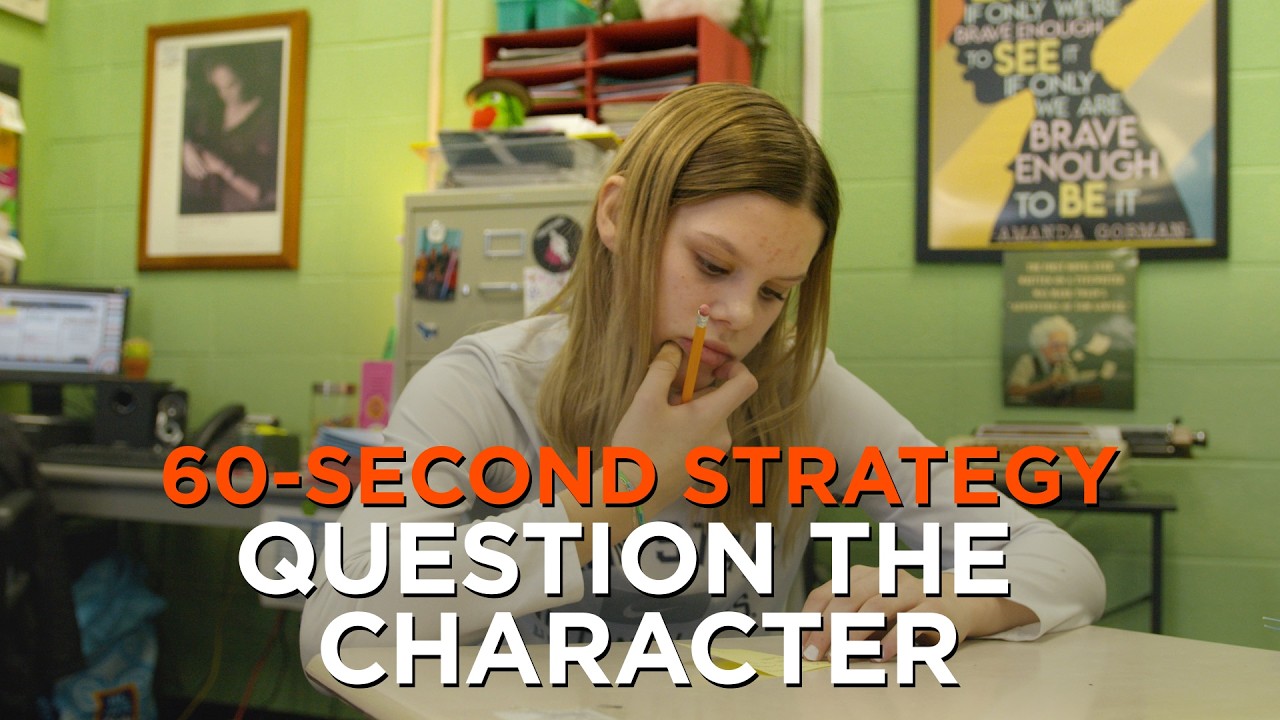
60-Second Strategy: Question the Character
Having students engage with the characters they’re reading about reveals whether they read the chapter—but better yet, it improves their literary analysis skills and elevates classroom discussion.Using Portfolios to Assess Student Learning
Allowing students to select the work that they feel is most representative of their learning is a powerful way to assess student knowledge.Your content has been saved!
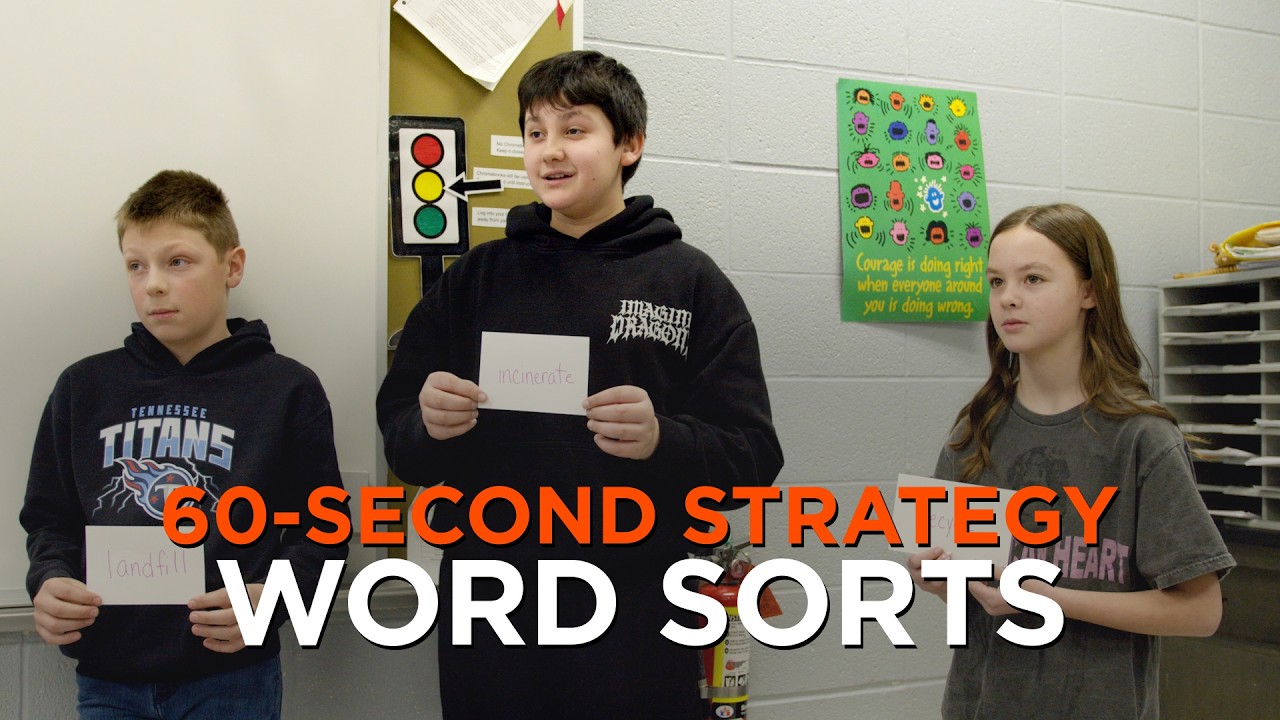
Go to My Saved Content.60-Second Strategy: Science Word Sorts
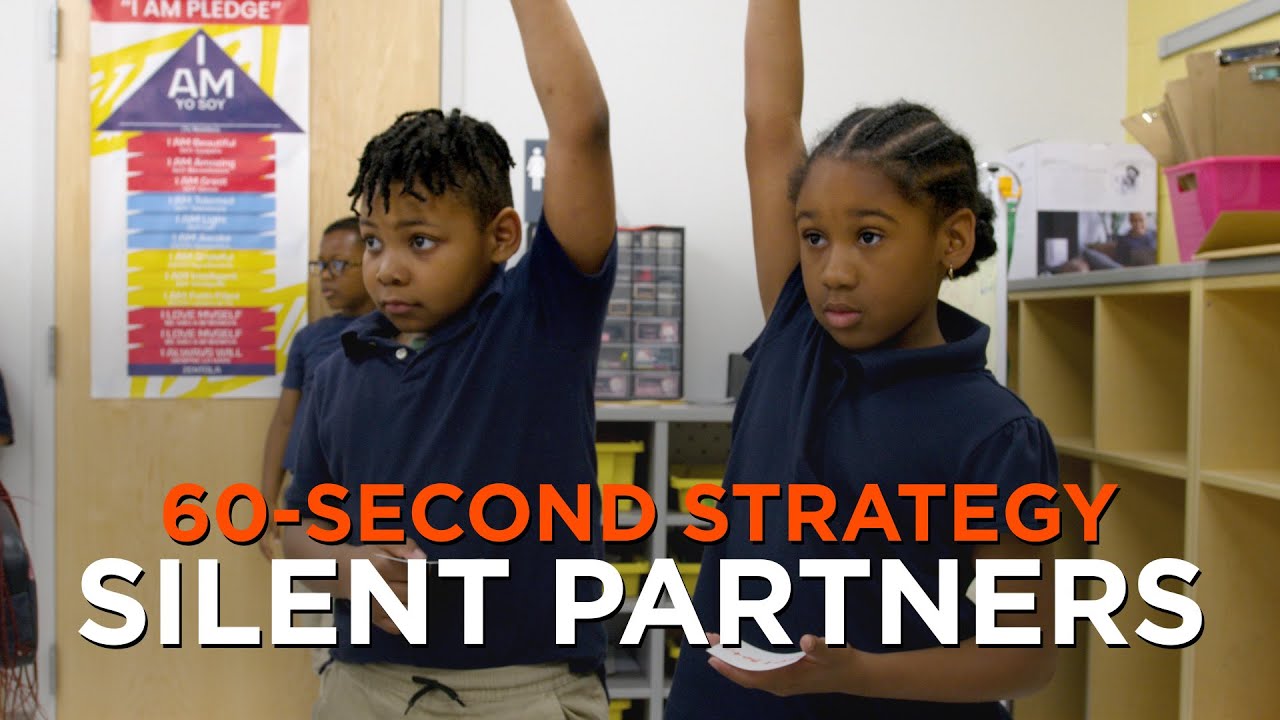
A flexible warm-up where students work together to group related vocabulary words or concepts can cement their understanding—and help teachers assess prior knowledge.60-Second Strategy: Silent Partners
When teachers bring this fun formative assessment game into a lesson, they get a snapshot of what students have understood, and what they haven’t.
7 Smart, Fast Ways to Do Formative Assessment
Within these methods you’ll find close to 40 tools and tricks for finding out what your students know while they’re still learning.1.3MYour content has been saved!
Go to My Saved Content.29 High-Impact Formative Assessment Strategies
These versatile strategies—from brain dumps to speed sharing—help students track their own progress while informing your next instructional steps.67.8kYour content has been saved!
Go to My Saved Content.
Covid-19’s Impact on Students’ Academic and Mental Well-Being
The pandemic has revealed—and exacerbated—inequities that hold many students back. Here’s how teachers can help.557.5kYour content has been saved!
Go to My Saved Content.The Proven Benefits of Grading Less
By shifting their focus from letter grades to meaningful feedback, teachers can unlock deeper learning, foster motivation, and minimize bias in the classroom.13 Super-Quick Formative Assessments
Teachers can use these techniques to gauge students’ understanding mid-lesson and then decide whether to reteach or press ahead.Making the Most of Learning Objectives
Asking students to unpack learning objectives with a quick routine helps them connect prior knowledge and feel more prepared for the day’s lesson.38.2kYour content has been saved!
Go to My Saved Content.60-Second Strategy: Whiteboard Relay
The team competition is fierce in this informal assessment activity, in which students have to work together to win.190.5kYour content has been saved!
Go to My Saved Content.
3 Ways to Ask Questions That Engage the Whole Class
These techniques guide all students to process course content and then actively demonstrate their learning.433kYour content has been saved!
Go to My Saved Content.
8 Quick Checks for Understanding
Formative assessment is a proven technique for improving student learning, and the strategies shared here by Jay McTighe work both in the classroom and remotely.344.2kYour content has been saved!
Go to My Saved Content.
3 Ways Student Data Can Inform Your Teaching
Gather and use valuable student data to inform your classroom practice.580kYour content has been saved!
Go to My Saved Content.60-Second Strategy: One Word, One Sentence
When time is short, this 2-minute closing activity gives students a chance to reflect and make meaning, and teachers an opportunity to assess how the lesson went.69.5kYour content has been saved!
Go to My Saved Content.