Arts Integration
Bringing the arts into core curricula raises student achievement and improves student engagement. Discover and share strategies for integrating the arts throughout core subject areas.
Teaching Preschool Students About Insects
A super-engaging variety of indoor and outdoor activities for all seasons, plus bug-related books.1.4kYour content has been saved!
Go to My Saved Content.A Creative Strategy to Get Students Ready for Complex Texts
Before introducing something like a Shakespearean play, it’s helpful to guide students to explore other artworks with similar themes.Your content has been saved!
Go to My Saved Content.Using Theater Games to Build Students’ Working Memory
By holding onto the information necessary to play certain games, students develop skills that lead to academic success.Your content has been saved!
Go to My Saved Content.Teaching Students How to Make Movies to Document Their Learning
Using moviemaking as a form of engagement and assessment centers students’ voices.Your content has been saved!
Go to My Saved Content.How Edtech Tools Can Enhance Creativity in the Elementary Grades
Teachers can guide students to explore versatile tools like Flip and Seesaw in a range of assignments across the curriculum.Your content has been saved!
Go to My Saved Content.Exploring Narrative Elements Through a Drama Game
Using an improv exercise to practice the parts of a story gets ideas flowing for students—and helps them add structure to their writing.Learning to Name Feelings at the Emotional Ice Cream Shop
When pre-K students identify and act out emotions in an improv game, they develop essential self-regulation skills through play.71.2kYour content has been saved!
Go to My Saved Content.The Powerful Effects of Drawing on Learning
The science is clear: Drawing beats out reading and writing to help students remember concepts.1MYour content has been saved!
Go to My Saved Content.
Improv in the Classroom
A collection of our popular articles and videos about how theater games and improvisation can spark creativity, build relationships, and boost academics and executive function skills alike.115.9kYour content has been saved!
Go to My Saved Content.Making Literary Analysis Creative Through Thematic Sculptures
When students use playful materials to build a physical object that represents their thinking, they grapple with texts in new ways.19.2kYour content has been saved!
Go to My Saved Content.Building Emotional Literacy With a Brain Break
When students play a theater game where they name and act out emotions, they become more skilled at articulating their feelings.Setting the Tone With a Get-to-Know-You Game
Morning meeting becomes a place for kindness and gratitude with a simple but powerful community-building game.Transforming a School Through Arts Integration
Structuring a school around the arts can help students excel academically and develop social and emotional skills.270.5kYour content has been saved!
Go to My Saved Content.The Power of Multimodal Learning (in 5 Charts)
When students engage multiple senses to learn—drawing or acting out a concept, for example—they’re more likely to remember and develop a deeper understanding of the material, a large body of research shows.New Studies Link the Arts to Crucial Cognitive Skills
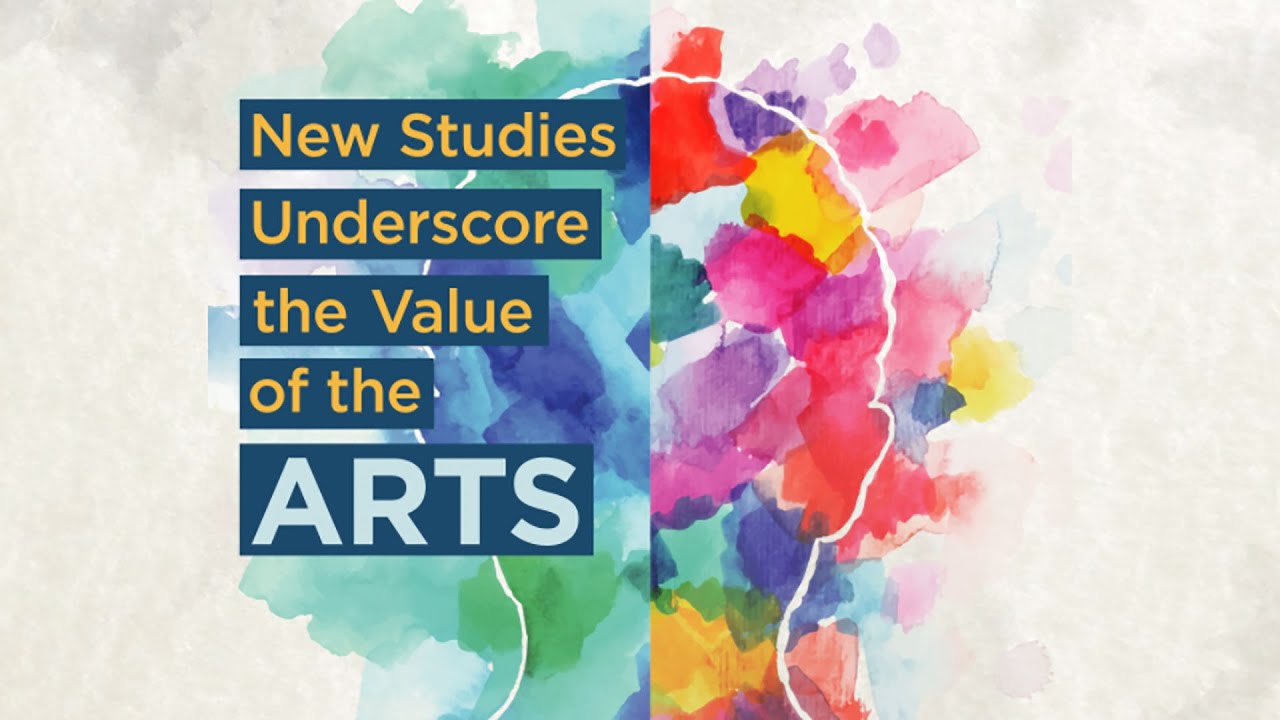
What happens to our brains ‘on art’? New studies—often backed by brain imaging technology—are beginning to dial in on the answers.224kYour content has been saved!
Go to My Saved Content.